


Unlocking Longevity Through Lifting Weights to Stay Active

Staying active as we age is a challenge many face, but lifting weights offers a powerful way to extend not just lifespan but healthspan—the years we live with vitality and independence. Research shows that strength training helps maintain muscle mass, bone density, and metabolic health, all critical factors in living longer and better. This post explores how lifting weights supports longevity and practical ways to incorporate it into your routine.

Why Longevity Depends on Staying Active
Longevity is more than adding years to life; it’s about adding life to years. Physical activity plays a crucial role in this. Sedentary lifestyles contribute to chronic diseases such as heart disease, diabetes, and osteoporosis, which shorten lifespan and reduce quality of life. Exercise, especially resistance training, counters these risks by improving cardiovascular health, insulin sensitivity, and bone strength.
Muscle mass naturally declines with age, a condition called sarcopenia. This loss leads to frailty, falls, and loss of independence. Lifting weights directly combats sarcopenia by stimulating muscle growth and strength. This means better balance, mobility, and the ability to perform daily tasks without assistance.
How Lifting Weights Benefits Longevity
Builds and Preserves Muscle Mass
Muscle tissue is metabolically active, meaning it burns calories even at rest. Maintaining muscle helps regulate body weight and reduces fat accumulation, which is linked to many age-related diseases. Weight training triggers muscle protein synthesis, helping to rebuild and maintain muscle fibers that would otherwise shrink with age.
Strengthens Bones and Prevents Osteoporosis
Bone density decreases as we get older, increasing fracture risk. Resistance training applies stress to bones, encouraging them to become denser and stronger. Studies show that people who lift weights regularly have higher bone mineral density, reducing the risk of fractures and osteoporosis.
Enhances Metabolic Health
Lifting weights improves insulin sensitivity, which helps regulate blood sugar levels. This lowers the risk of type 2 diabetes, a common condition in older adults. Additionally, strength training boosts metabolism, helping to maintain a healthy weight and reduce cardiovascular risk factors.
Supports Mental Health and Cognitive Function
Exercise releases endorphins and growth factors that support brain health. Weightlifting has been linked to improved mood, reduced anxiety, and better cognitive function. Staying mentally sharp is a key component of longevity, and physical activity plays a vital role.
Getting Started with Weightlifting for Longevity
Choose the Right Exercises
Focus on compound movements that work multiple muscle groups, such as:
Squats
Deadlifts
Bench presses
Rows
Overhead presses
These exercises build functional strength that translates to everyday activities.


Start with Proper Technique
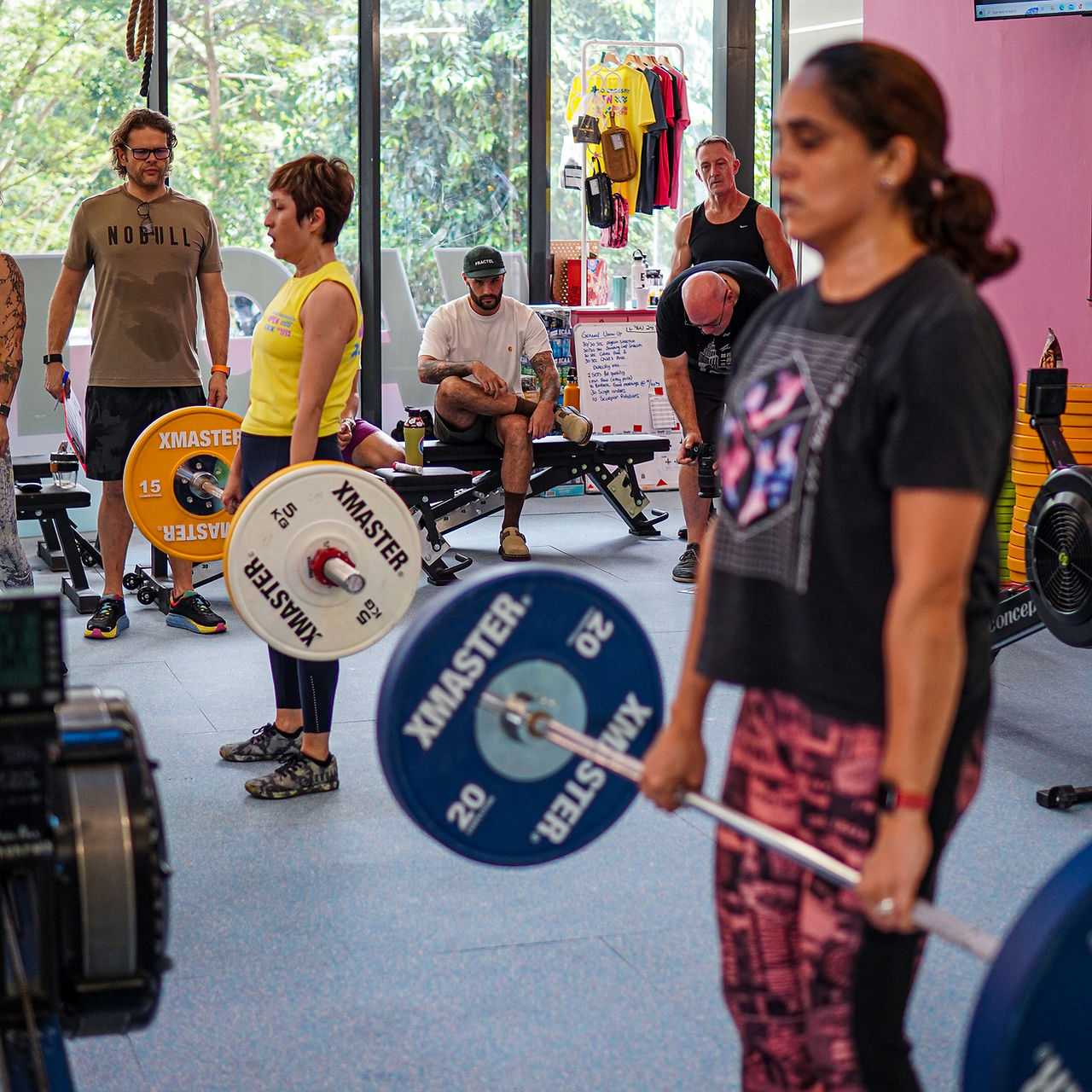
Learning correct form is essential to prevent injury. Work with a coach in class to help keep you safe.
Progress Gradually
Begin with lighter weights and higher repetitions to build endurance. Over time, increase the weight and reduce reps to build strength. Aim for two to three sessions per week.
Include Rest and Recovery
Muscles need time to repair and grow. Schedule rest days between lifting sessions and prioritize sleep and nutrition.
Adapt for Your Fitness Level
Older adults or those with health conditions should consult a healthcare provider before starting. Modified exercises and lighter weights can still provide significant benefits.
Real-Life Examples of Longevity Through Strength Training
Master athletes in their 70s and 80s often include weightlifting in their routines, demonstrating remarkable strength and mobility.
Studies of older adults who lift weights regularly show improved muscle mass, fewer falls, and better quality of life compared to sedentary peers.
Personal stories abound of individuals who regained independence and reduced chronic pain after starting resistance training later in life. Meet Uncle Bob.
Tips to Stay Motivated and Consistent
Set clear, achievable goals such as improving strength or performing daily tasks more easily.
Track progress with a journal or app to see improvements over time.
Find a workout partner and join a class for social support.
Mix up routines to keep workouts interesting and challenge different muscles.
Celebrate milestones to maintain enthusiasm.
Nutrition to Support Strength and Longevity
Eating enough protein is vital for muscle repair and growth. Older adults should aim for 1.0 to 1.2 grams of protein per kilogram of body weight daily. Include sources like lean meats, dairy, legumes, and nuts. Staying hydrated and consuming a balanced diet rich in fruits, vegetables, and whole grains supports overall health and recovery.


Comments